Many organisations currently face a critical gap: insufficient brand-appropriate imagery or visual assets that no longer align with evolving brand values. This disconnect between visual representation and brand strategy often necessitates the development of custom imagery solutions.
The fundamental decision involves selecting between traditional photography, computer-generated imagery (CGI), or emerging AI-generated alternatives.
The Strategic Importance of Visual Selection
Consumer behaviour studies indicate that visual presentation directly correlates with engagement metrics. Quality imagery functions beyond product demonstration—it captures attention, communicates brand values, and influences purchasing decisions through visual storytelling.
While stock photography may address immediate needs, it typically lacks brand specificity and fails to differentiate offerings in competitive markets. Strategic brand building requires imagery that directly supports positioning and messaging objectives.
Our practical experience across diverse sectors demonstrates the strategic implications of methodology selection. Over two decades of implementation, we have executed complex traditional photography projects, including constructing 37 complete bathroom environments for Alterna – a leading Norwegian supplier, developing Jordan's Christmas campaign for consumer cleaning products, and capturing authentic lifestyle content for UNOF seeking to reinforce inclusive brand positioning.


Photoshoot: Christmas campaign and Ads for Jordan / Orkla.
Approximately six years ago, we expanded capabilities to include CGI production. Initially positioned as supplementary to traditional photography, computer-generated imagery has proven competitive in both cost-effectiveness and creative flexibility across multiple applications. This evolution reflects broader industry trends toward hybrid visual production methodologies.
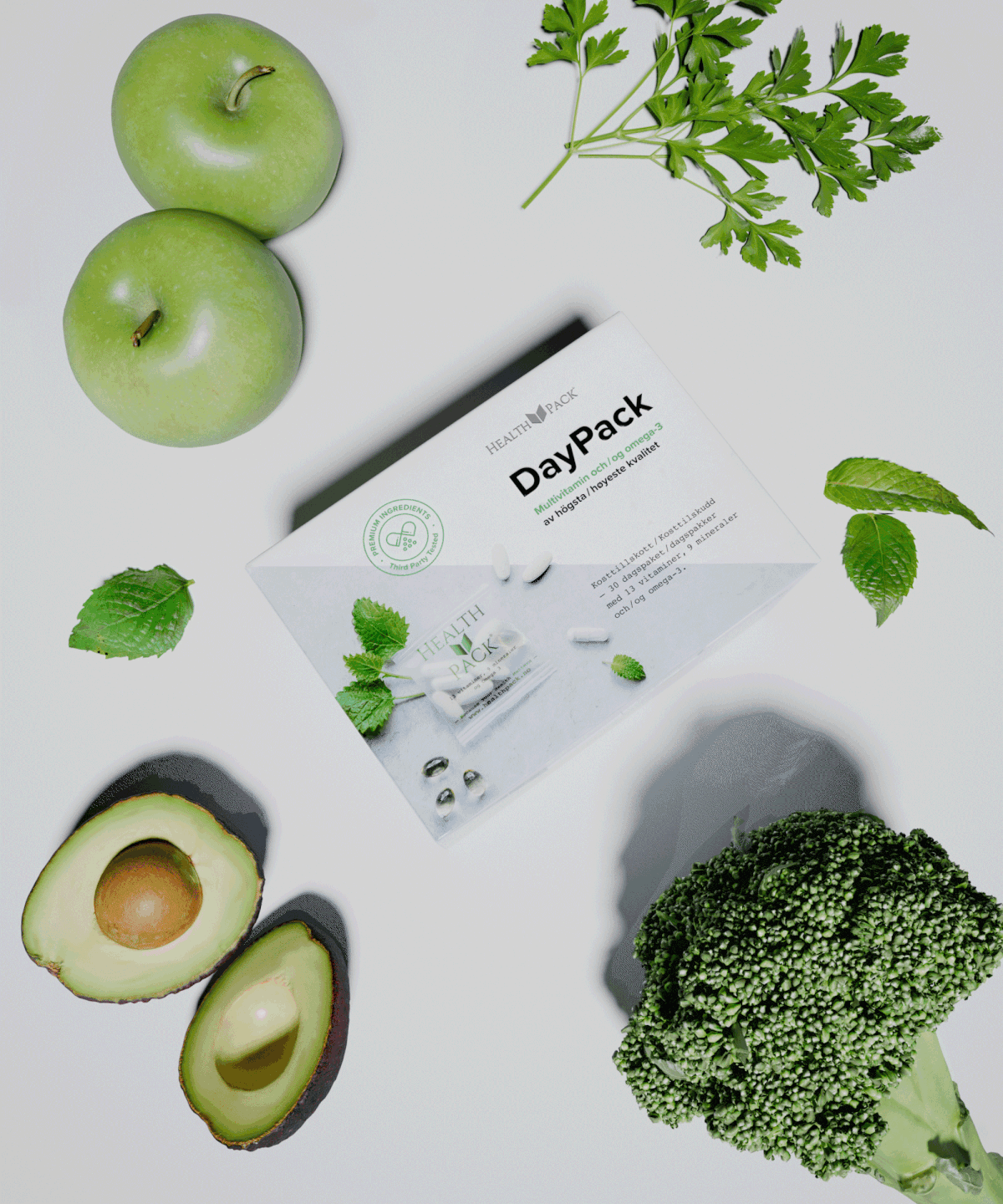
3D images for HealthPack.
Traditional Photography vs CGI
Traditional Photography
Advantages:
- Authentic lighting conditions and genuine human expressions
- Organic textures and natural imperfections that enhance relatability
- Optimal for lifestyle-focused and human-centred brand positioning
- Immediate tactile quality that resonates with target audiences
Limitations:
- Higher logistical complexity and associated costs (location, equipment, personnel)
- Environmental dependencies (weather, lighting, scheduling constraints)
- Limited post-production flexibility requiring additional shoots for modifications
Computer-Generated Imagery (CGI)
Advantages:
- Unlimited creative possibilities without physical constraints
- Asset reusability allowing infinite variations in materials, colours, and perspectives
- Capability to visualise products before manufacturing completion
- Material rendering costs remain consistent regardless of luxury level
- Elimination of product shipping and storage requirements
Limitations:
- Quality dependent on accurate 3D modelling and texture development
- Risk of artificial perfection that may disconnect from target audience expectations
- Extended production timelines for complex, photorealistic environments
Decision Framework
Three primary factors should guide methodology selection:
- Budget Allocation: Resource requirements vary significantly between approaches and project scope.
- Content Volume: Production efficiency differs based on whether campaigns require minimal or extensive image libraries.
- Brand Expression: Organisations must determine whether authenticity, perfection, or hybrid approaches best serve strategic objectives.
Regardless of methodology, successful implementation requires comprehensive visual strategy development prior to production initiation. All imagery should reinforce brand narrative and positioning consistently.
Implementation Methodology
Effective visual strategy development begins with comprehensive brand analysis, including audience research, messaging frameworks, and success metrics definition. This strategic foundation precedes any technical production considerations.
Our integrated approach encompasses the complete project lifecycle: initial brand strategy consultation, concept development, creative direction, production management (whether coordinating traditional shoots or developing complex 3D environments), and final asset delivery. This unified methodology eliminates potential inconsistencies arising from multiple vendor coordination.
The selection process involves detailed evaluation of project requirements, budget parameters, and brand objectives to determine optimal production methodology—traditional photography, CGI, or hybrid approaches—aligned with specific organisational goals.

An example of an AI-generated image using Google’s Nano Banana 2
Emerging Technology: AI-Generated Imagery
Artificial intelligence has introduced unprecedented capabilities in image generation, enabling photorealistic content creation through text prompts. This technology offers remarkable speed, cost efficiency, and creative flexibility.
However, current AI limitations include inconsistent brand representation, reduced product accuracy, and challenges in achieving authentic brand voice. While valuable for concept development and rapid prototyping, AI-generated imagery currently functions most effectively as a component within broader creative processes rather than a standalone solution.
Conclusion
Methodology selection should align with specific project requirements, brand personality, and strategic objectives rather than technological preferences. Success depends on establishing clear visual strategy and maintaining consistent brand expression across all chosen production methods.